
Life in the city is fast-paced, noisy, and often gray. However, for thousands of years, our brains have been programmed to feel most at ease in nature. When this connection is lost, our stress levels often rise without us even realizing it.
This is exactly where biophilic design comes in. It’s not a fleeting decor trend, but a design concept that brings nature back into the living space.
Even in a city apartment without a garden, you can create an environment that grounds you, calms you, and recharges your batteries.
More Than Just Greenery: The Three Pillars of Biophilic Design
Biophilic design is often equated with a lush “urban jungle.” But a genuine connection to nature within a space is more multifaceted and appeals to multiple senses at once.
- Visual Connection: Plants are key, but daylight, views, and images of natural landscapes also help the brain regenerate.
- Authentic Materials: Natural surfaces such as wood, stone, wool, or linen have a calming effect because they convey authenticity and durability.
- Dynamic light: Light that changes throughout the day supports our circadian rhythm far better than uniform, static lighting.

Natural Textures as a Haven of Calm
Smooth, artificial surfaces dominate many city apartments. Biophilic design deliberately breaks through this coldness.
A solid-wood dining table with visible grain isn’t just a piece of furniture—it’s a piece of nature that you touch every day.
These tactile stimuli are crucial: the texture of wood or the cool smoothness of natural stone convey a sense of security and grounding. When choosing a sideboard or shelf, make sure the material is allowed to reveal its character.
Pockets of light instead of uniformity
—in nature, there is no uniform light. There are clearings, shadows
, and transitions. It is precisely this interplay that our brains find soothing.
Apply this principle to your home by using several table lamps instead of a single dominant ceiling light . This creates pockets of light that define spaces and foster a sense of security.
Light that filters through plants and casts organic shadows on the wall is particularly effective—a subtle effect with a big impact.
Small Steps with a Big Impact
You don’t have to turn your living room into a greenhouse. Biophilic design works even in small doses:
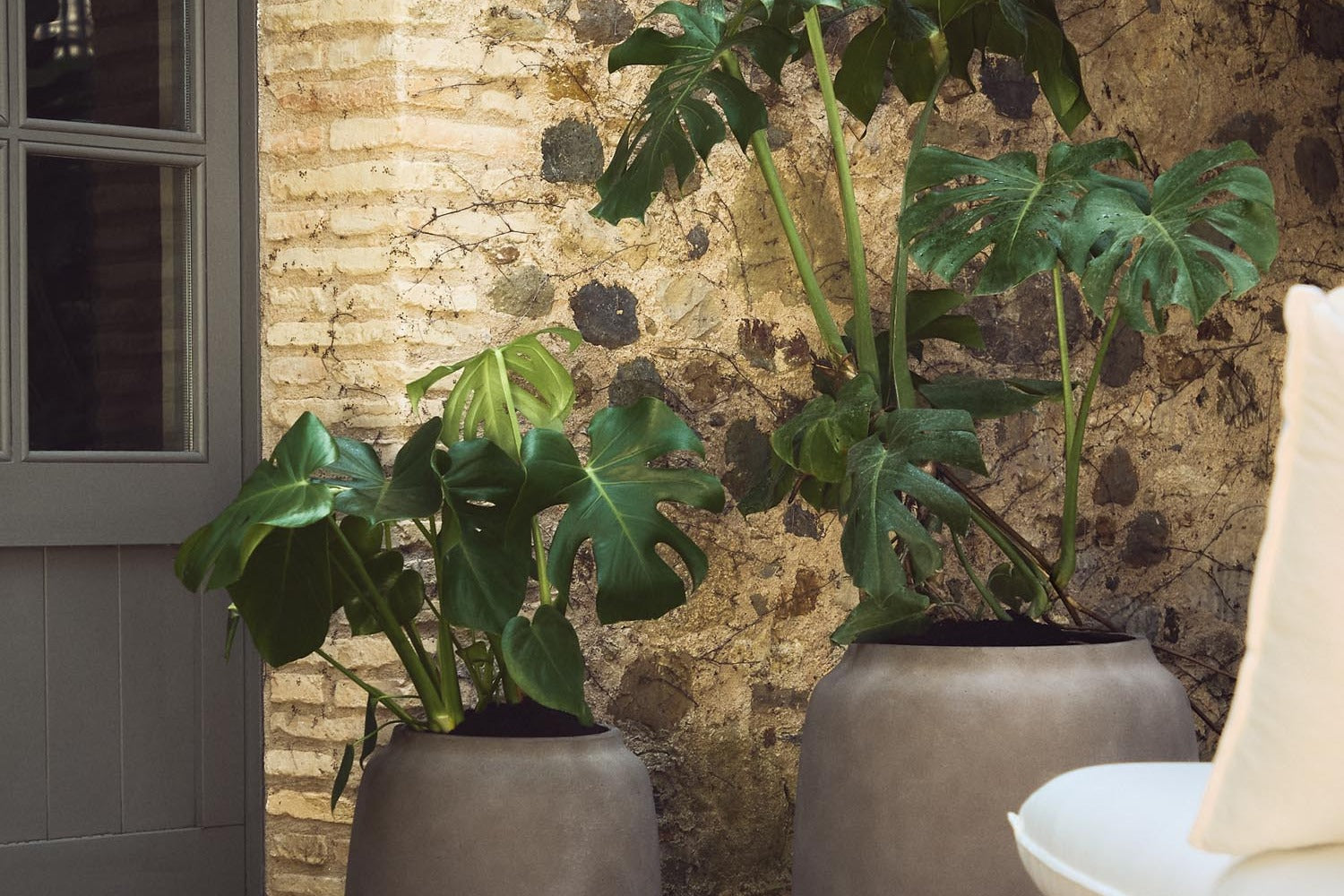
- Group plants together: Instead of scattering them individually, create green islands. This creates a calmer atmosphere and enhances the natural effect.
- Use natural colors: Earth tones, soft greens, and warm ochre reflect nature’s color palette and have an immediate relaxing effect.
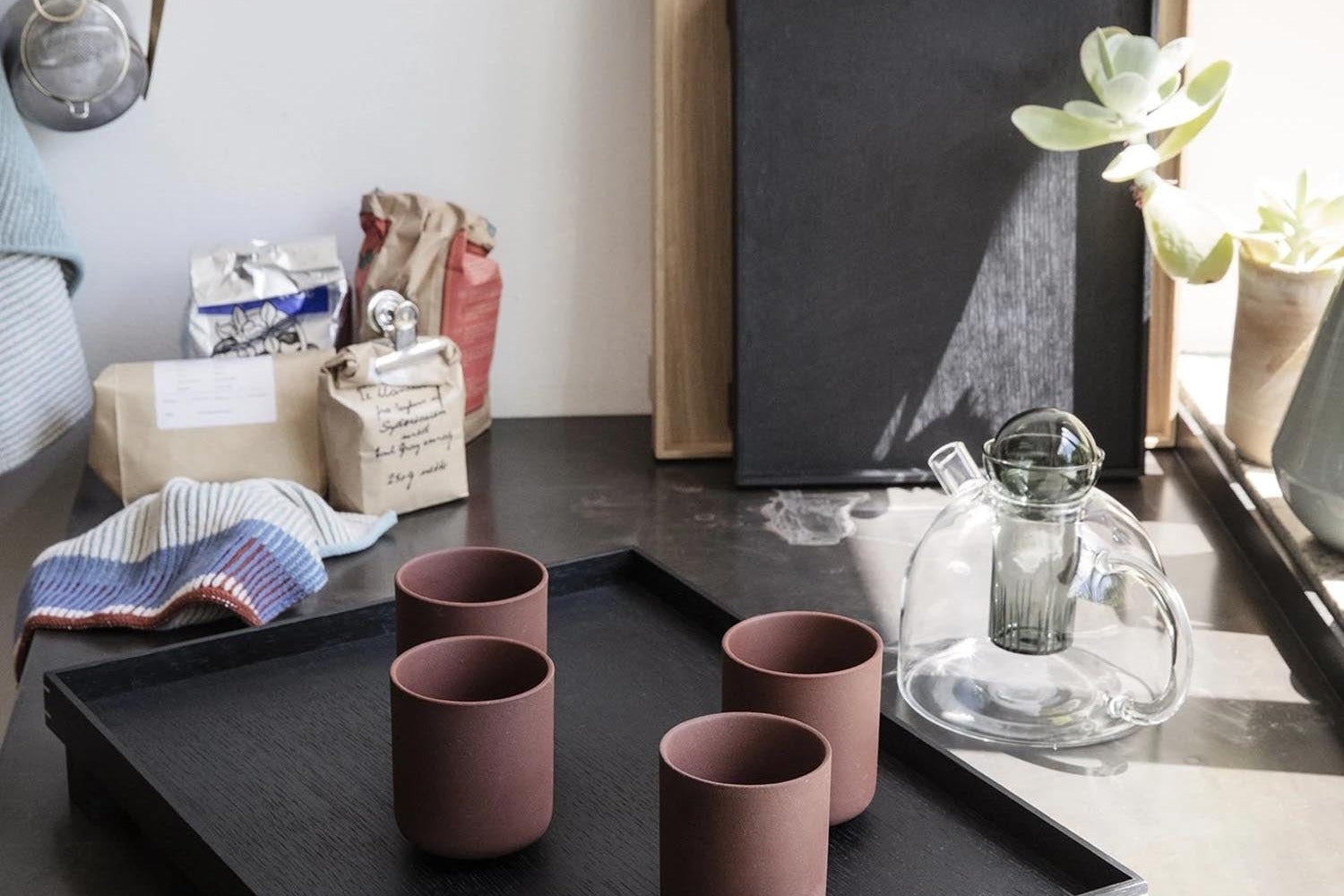
- Choose thoughtfully: A handmade design piece made of wood or ceramic has a completely different feel than an industrial mass-produced item.

Conclusion: Your sanctuary in the middle of the city
. Biophilic design is an invitation to live more mindfully and to counter the hectic pace of city life with something natural.
It’s not about perfection, but about well-being. Even small changes—a natural material, a new lighting scheme, a group of plants—can permanently transform how you experience your home.
Start curating your own urban oasis today.