

Work has long since ceased to take place solely at a desk. Ideas emerge through conversation, decisions through dialogue, and trust through personal interaction. For small and medium-sized businesses in particular, the office is thus becoming something new: a place for connection.
While remote work and hybrid models offer flexibility, the need for genuine social spaces is growing at the same time. Offices that understand this are evolving from mere workspaces into social hubs—and are becoming an important part of corporate culture.
1. Why Traditional Offices Are Reaching Their Limits
Many offices are still designed for individual work: rows of desks, a clear separation between work and breaks, and little room for informal interaction. Yet it is precisely these interactions that are increasingly missing from everyday work life.
This is particularly noticeable for SMEs. Short communication lines, flat hierarchies, and personal relationships are often their greatest advantage—but they lose their impact when spaces do not allow for interaction.
2. Encounters as a Strategic Factor
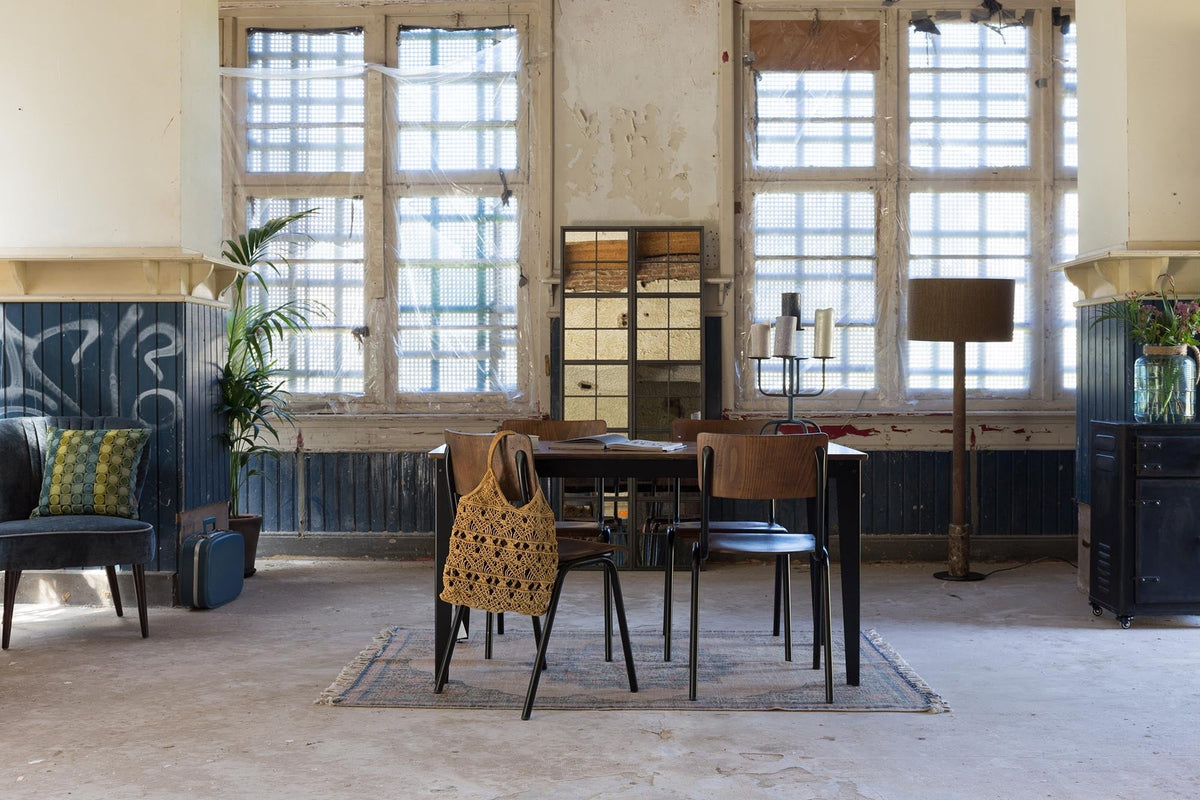
Encounters are not a matter of chance. They arise where spaces make them possible. An open area with a large table, , comfortable chairs , or an invitingsofa creates opportunities for conversations that go beyond day-to-day business.
These informal moments foster creativity, strengthen team cohesion, and shorten decision-making processes. Especially in small and medium-sized businesses, where every voice counts, the space thus becomes a strategic tool.

3. Between the Workplace and the Living Room
A social hub is neither a break room nor a traditional office. It lies somewhere in between. The atmosphere can be more relaxed without losing any sense of professionalism.
Materials play a central role here. Wood, fabrics, warm colors, and strategic lighting create a sense of familiarity. At the same time, clean lines and high-quality furniture ensure that the space is taken seriously.
4. Light and Acoustics as Silent Designers
: Connection Requires Quiet. Good acoustics are therefore crucial to ensure that conversations remain pleasant and aren’t drowned out by noise.
Carpets, upholstered furniture, or acoustic elements reduce reverberation and create an intimate atmosphere. Complemented by warm, indirect lighting, the result is a space where people enjoy staying—even longer than planned.
5. Making Identity Visible
Social hubs are also an expression of corporate culture. They show how a company works, communicates, and interacts with one another.
A thoughtfully designed gathering space conveys a certain ethos: openness, appreciation, and trust. For both employees and customers, the space thus becomes a tangible statement.
Conclusion: Spaces that bring people together remain relevant
. Offices aren’t losing their importance—they’re evolving in their role. For small and medium-sized businesses, the future lies not in the workplace alone, but in spaces for interaction.
Those who view their office as a social hub invest not only in furniture, but also in collaboration, culture, and a sense of belonging.KAQTU helps you design workspaces that bring people together—effortlessly.